

纯电动公交客车悬架系统(非独立空气悬架)设计(含CAD图,CATIA三维)
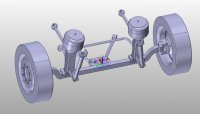
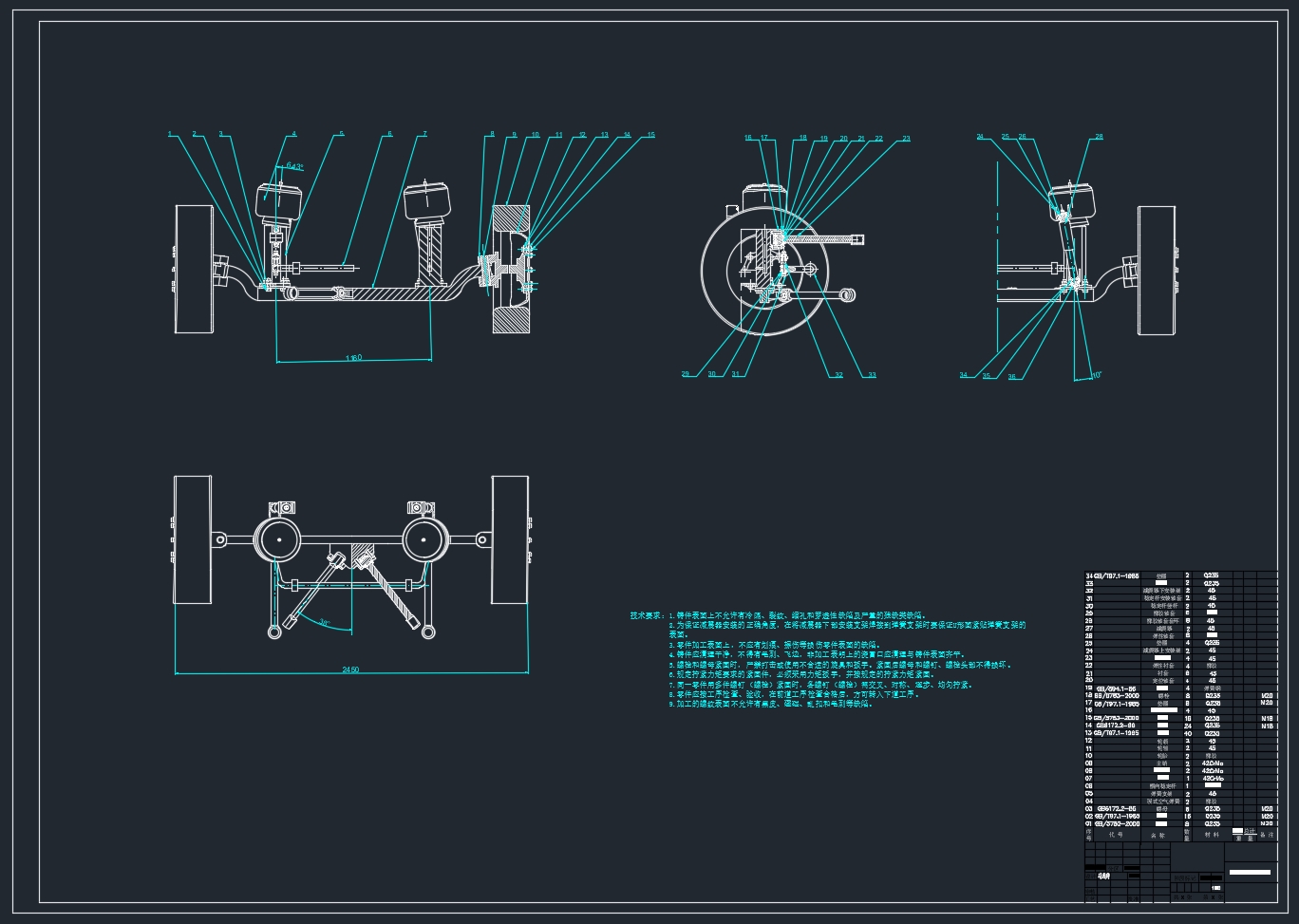
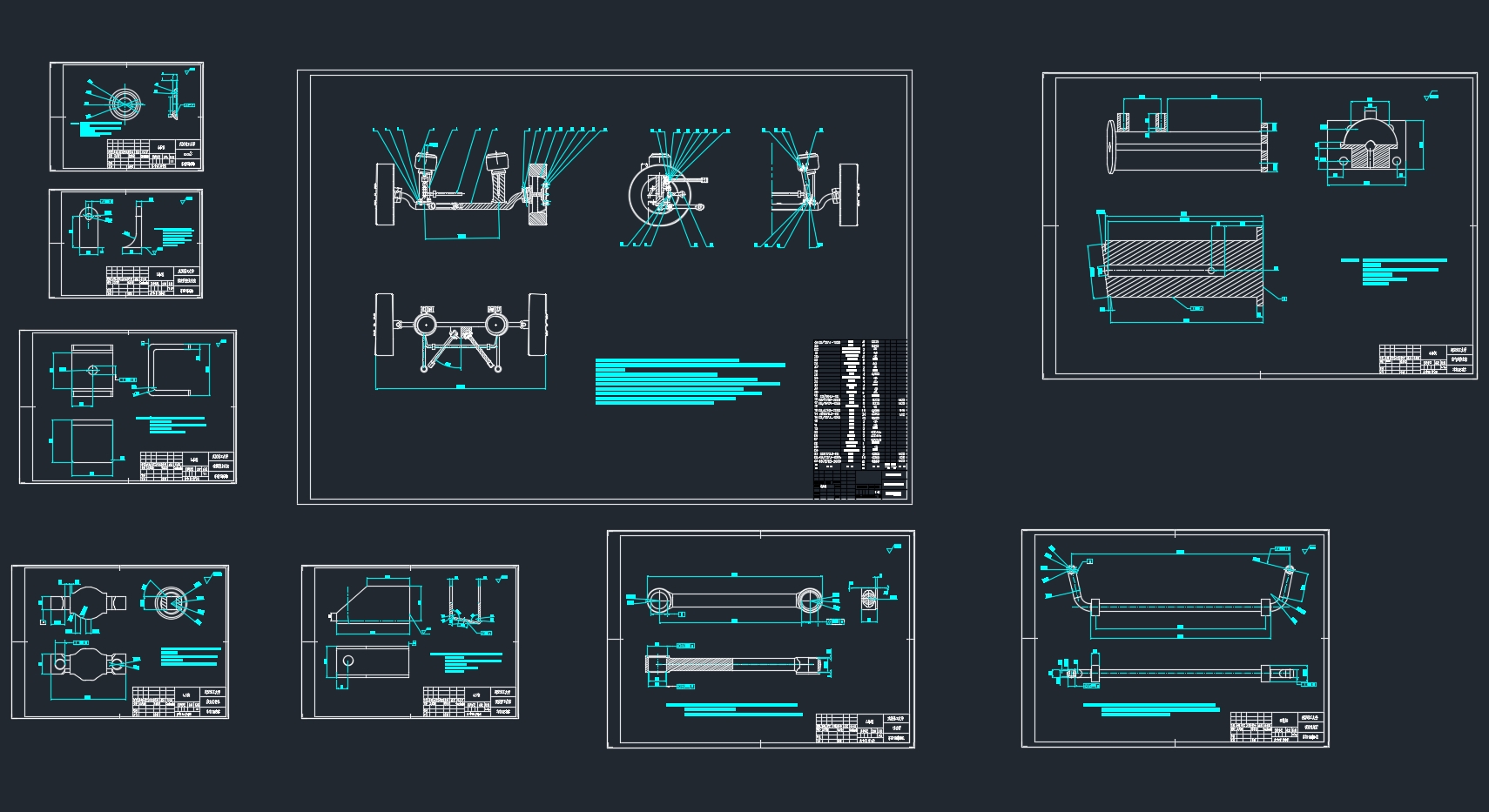
纯电动公交客车悬架系统(非独立空气悬架)设计(含CAD图,CATIA三维)(任务书,开题报告,文献摘要,外文翻译,论文说明书11000字,CAD图9张,CATIA三维图)
摘 要
公交客车是城市交通运行的重要工具,在城市发展中扮演着重要的角色。当代社会车辆趋于电动化势在必行。悬挂系统是底盘中的重要组成部分,本课题主要针对纯电动6100BEV公交客车的悬挂系统进行设计。
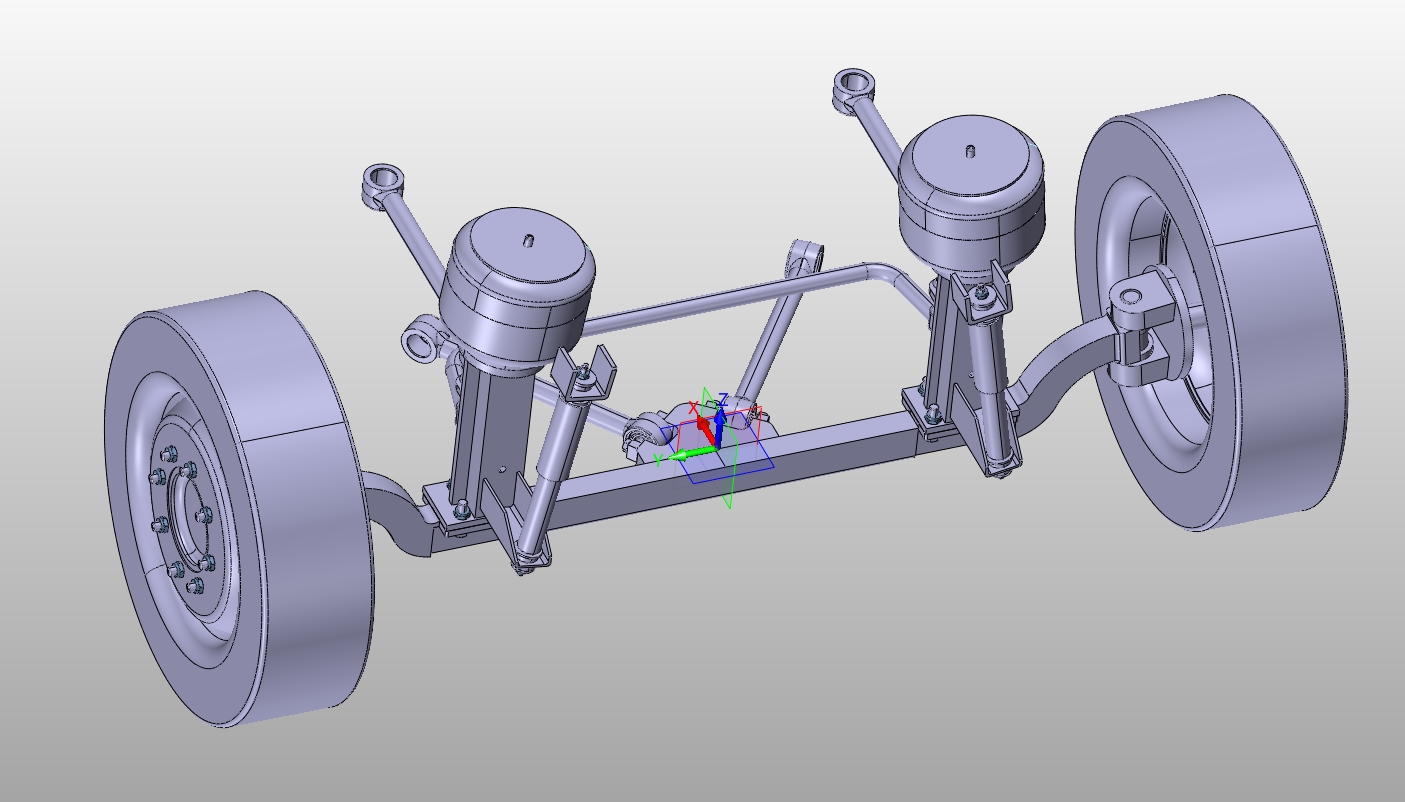
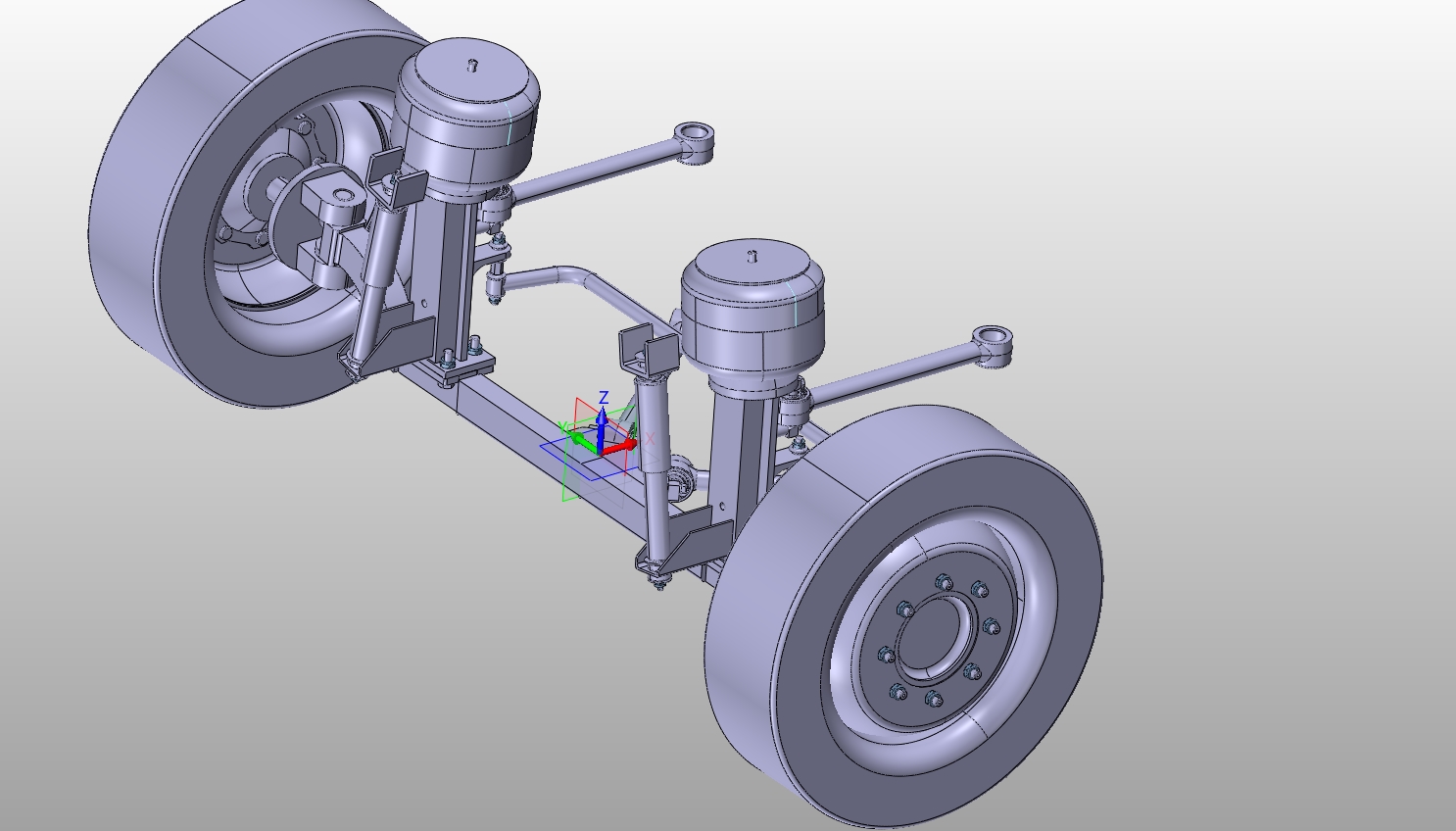
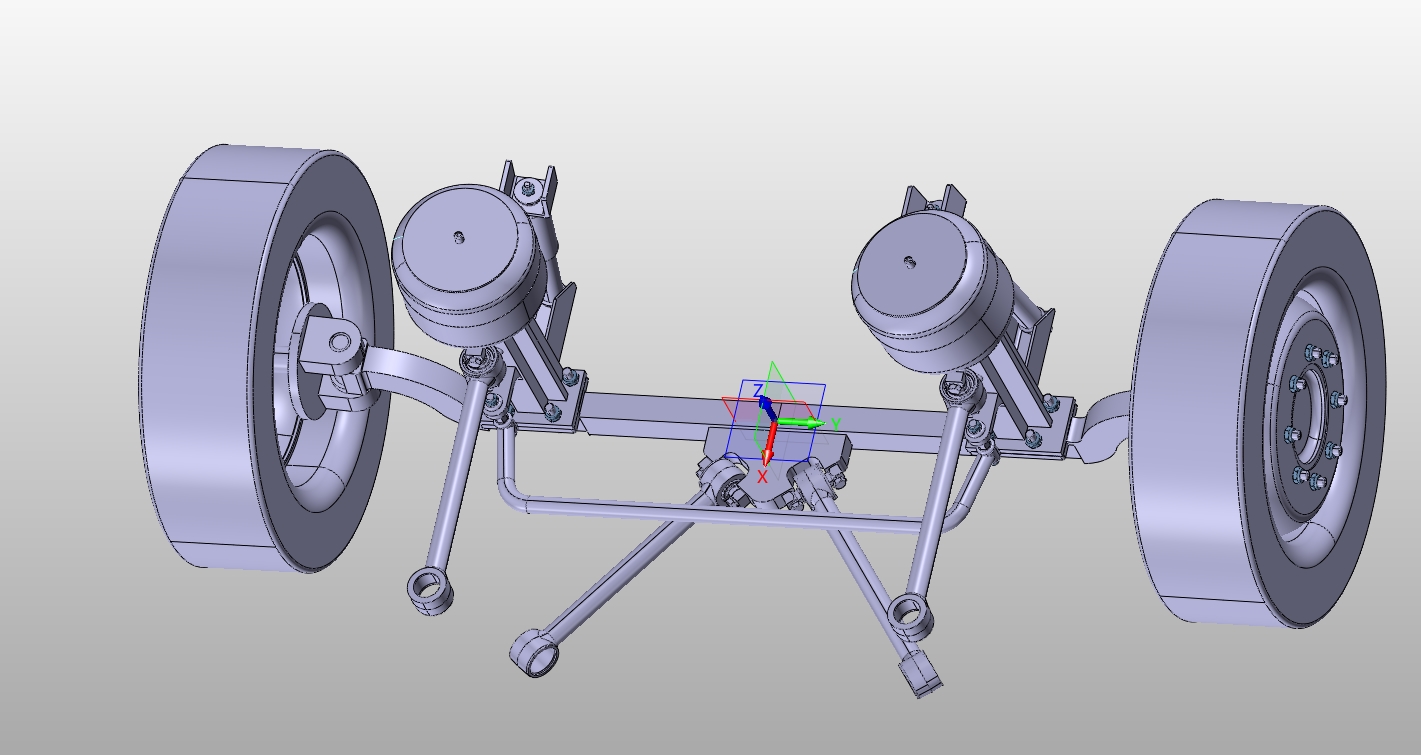
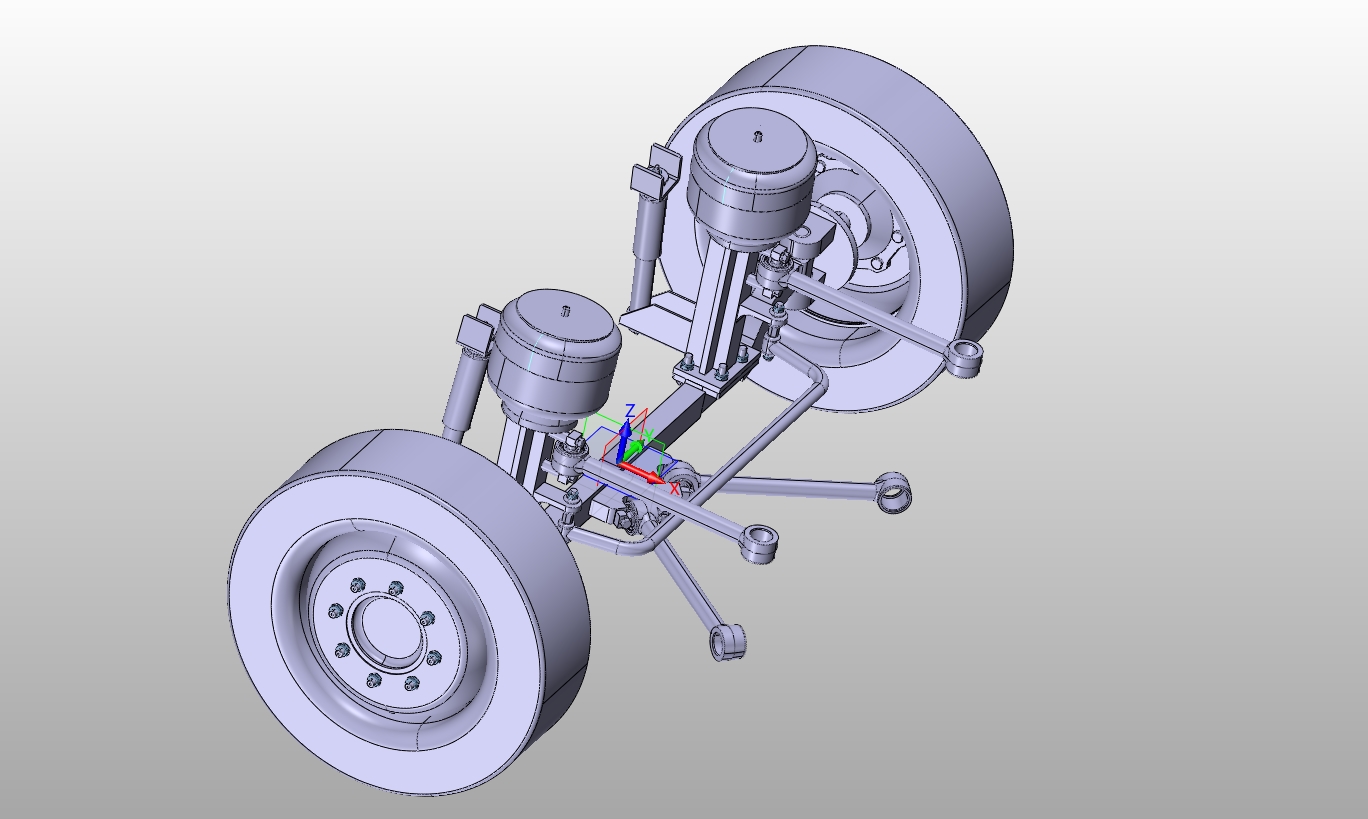
设计悬挂系统最先确定了悬挂系统的基本参数,悬架的静挠度、偏频、弹性元件的刚度等,而为了增强平顺性,故选用空气弹簧作为弹性元件。然后根据相关参数尺寸在Catia软件模型中搭建零件模型,并将零件进行总装成为悬架的装配体。在装配完成后,借助测量工具量取特征点的位置坐标并在Adams Car中搭建具体的装配体模型,之后进行悬架运动学的仿真分析。
本次悬架设计大致可分为三大章节,从基础的绪论部分到悬架参数的设计计算部分,再到最后的仿真过程。在仿真过程之前,需要根据Catia软件模型进行运动学的干涉排除,在Adams Car中通过仿真分析得出四轮的基本定位参数的变化,以确定变化范围是否符合相关要求,以保证客车行驶时的操纵稳定性。
通过以上可以知道,本文对悬架设计过程及仿真进行了较为详细的描述,并采用了空气弹簧来替代钢板弹簧,丰富了非独立空气悬架系统的设计。 [版权所有:http://DOC163.com]
关键词:悬架设计;空气弹簧;运动学仿真;操纵稳定性
Abstract
Bus passenger cars are an important tool for urban traffic operations and play an important role in urban development. It is imperative that modern social vehicles tend to be electrified. The suspension system is an important part of the chassis. This topic is mainly designed for the suspension system of the pure electric 6100BEV bus.
The design of the suspension system first determines the basic parameters of the suspension system, the static deflection of the suspension, the bias frequency, the stiffness of the elastic component, etc., and in order to enhance the ride comfort, the air spring is selected as the elastic component. Then the part model is built in the Catia software model according to the relevant parameter size, and the parts are assembled into a suspension assembly. After the assembly is completed, the position coordinates of the feature points are measured by means of the measuring tool and a concrete assembly model is built in the Adams Car, and then the suspension kinematics simulation analysis is performed.
[资料来源:Doc163.com]
This suspension design can be roughly divided into three chapters, from the basic introduction part to the design calculation part of the suspension parameters, to the final simulation process. Before the simulation process, the kinematic interference exclusion needs to be performed according to the Catia software model. In the Adams Car, the changes of the basic positioning parameters of the four rounds are obtained through simulation analysis to determine whether the variation range meets the relevant requirements to ensure the passenger car travelsSteering stability.
Through the above, we can know that the suspension design process and simulation are described in detail, and the air spring is used instead of the leaf spring to enrich the design of the non-independent air suspension system.
Key Words:Suspension design;Air spring;Kinematics simulation;Steering stability
[来源:http://www.doc163.com]

目录
第1章 绪论 1
1.1 引言 1
1.2 电动汽车悬架发展概况 1
1.2.1 国外悬架研究现状 1
1.2.2 国内悬架研究现状 2
1.3 研究的基本内容 3
1.4 纯电动客车悬架设计的目的、意义 3
1.5 本章小结 4
第2章 空气悬架系统设计 5
2.1 空气悬架系统的概述与选型 5
2.1.1 空气悬架系统的结构与工作原理 5
2.1.1 空气弹簧的选型 6
2.2 空气悬架主要参数确定 6
2.2.1 纯电动6100BEV公交客车整体参数 6
2.2.2 悬架频率的选取 7 [来源:http://Doc163.com]
2.2.3 悬架静挠度设计计算 8
2.2.4 悬架动挠度的选取 9
2.2.5 空气弹簧的布置 9
2.2.6 空气弹簧的设计计算 9
2.3 减振器的结构类型与主要参数的选择 11
2.3.1 减震器的作用与分类 11
2.3.2 双筒式减震器的结构与工作原理 11
2.3.3 双筒式减震器相对阻尼系数的选择 13
2.3.4 双筒式减震器阻尼系数的确定 13
2.3.5双筒式减震器最大卸荷力 13
2.3.6 双筒式减震器主要尺寸的确定 14
2.4 高度阀的数目与布置 16
2.5 横向稳定性计算 16
2.6 横向稳定杆的设计计算 19
2.6.1 横向稳定杆的侧倾角刚度的确定 19
2.6.2 横向稳定杆的直径及尺寸参数的确定 20
2.6.3 横向稳定杆的校核 21
2.7 本章小结 22
第3章 悬架的仿真分析 23
[资料来源:https://www.doc163.com]
3.1 Adams/Car模块概述 23
3.2 悬架模型的搭建 23
3.3悬架仿真分析 26
3.3.1 四轮定位参数结果分析 27
3.3.2 推力杆受力结果分析 30
3.4 本章小结 32
参考文献 33
致谢 34 [资料来源:www.doc163.com]
下一篇:大学生方程式赛车双横臂悬架设计(含CAD零件图装配图)