

高强车身构件热冲压快速加热系统设计与优化(含CAD图,CATIA三维图)
高强车身构件热冲压快速加热系统设计与优化(含CAD图,CATIA三维图)(任务书,开题报告,文献摘要,外文翻译,论文说明书14500字,CAD图6张,CATIA三维图)
摘要
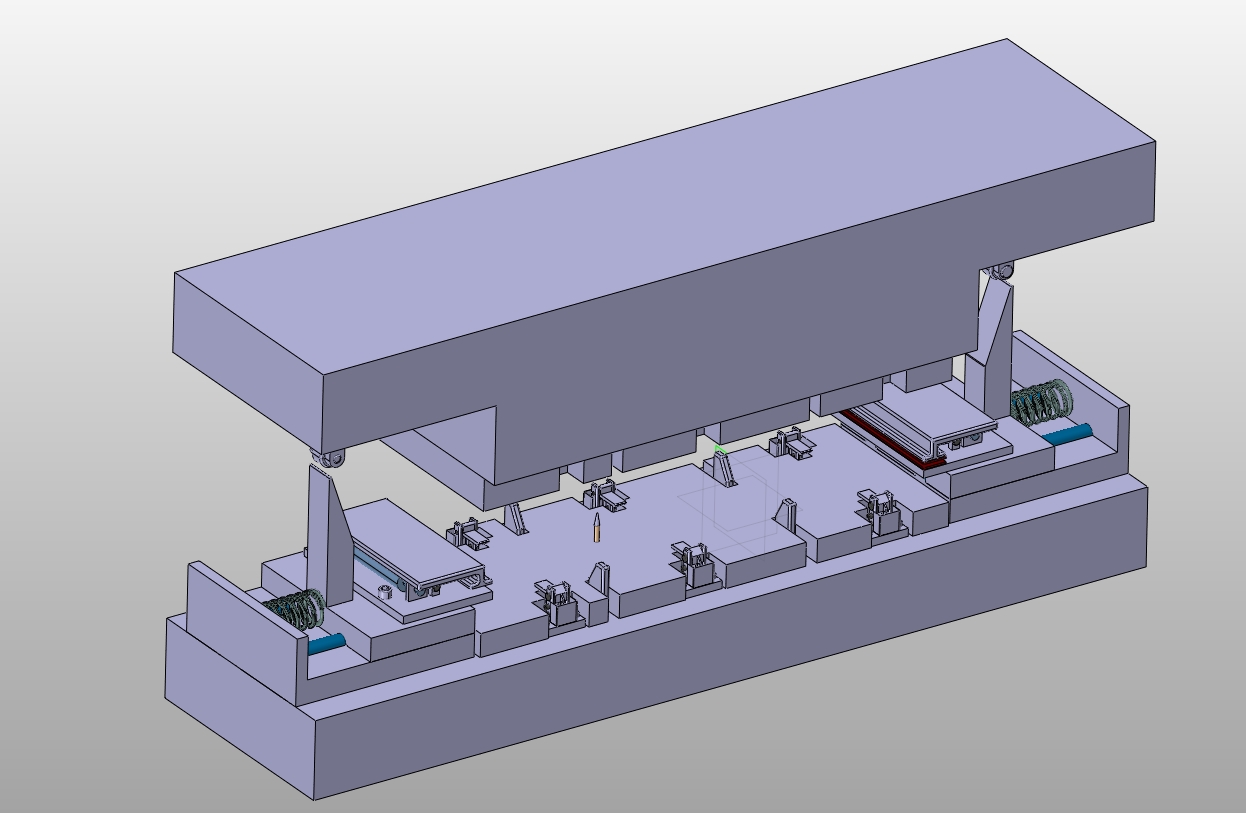
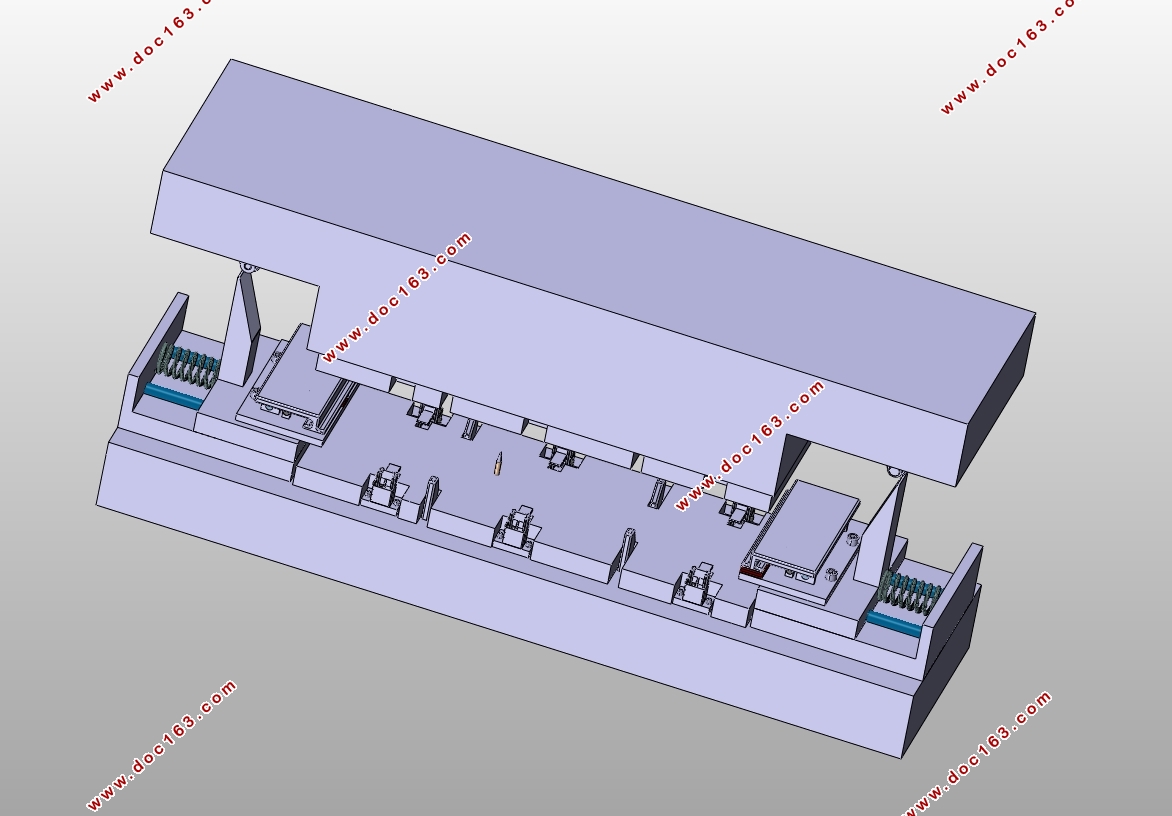
随着汽车行业的飞速发展,人们对于能源的消耗和污染排放与全球环境保护之间的矛盾日益突出,而汽车轻量化是解决这一矛盾的主要出路之一。目前,通过热冲压成形技术将高强度钢、铝合金等轻量化材料制造成高强车身构件是实现汽车轻量化的有效途径。但是,传统热冲压加热技术所需的加热时间长、成形件质量不佳、生产效率低下,使得寻求一种节能环保并且更高效的加热设备成为了热成形技术发展的重要方向。导电加热是一种节能的、更高效的加热方式,它能够有效地降低加热时间,提高加热效率,减少坯料表面氧化等优势,因此开展导电加热装置系统开发具有重要的研究意义和应用价值。本文以B柱加强板的冲压成形为实例,进行了热冲压快速加热系统总体设计及优化。研究结果对热冲压快速加热系统的发展具有一定的指导意义。主要进行的工作如下:
(1)研究相关的热成形工艺发展现状,针对热成形加热系统设计有初步的构思,选择铝合金7075-T6作为成形材料,以导电加热为主要加热方式;
(2)完成导电加热系统总体设计,并进行相关的加热装置参数的理论计算;
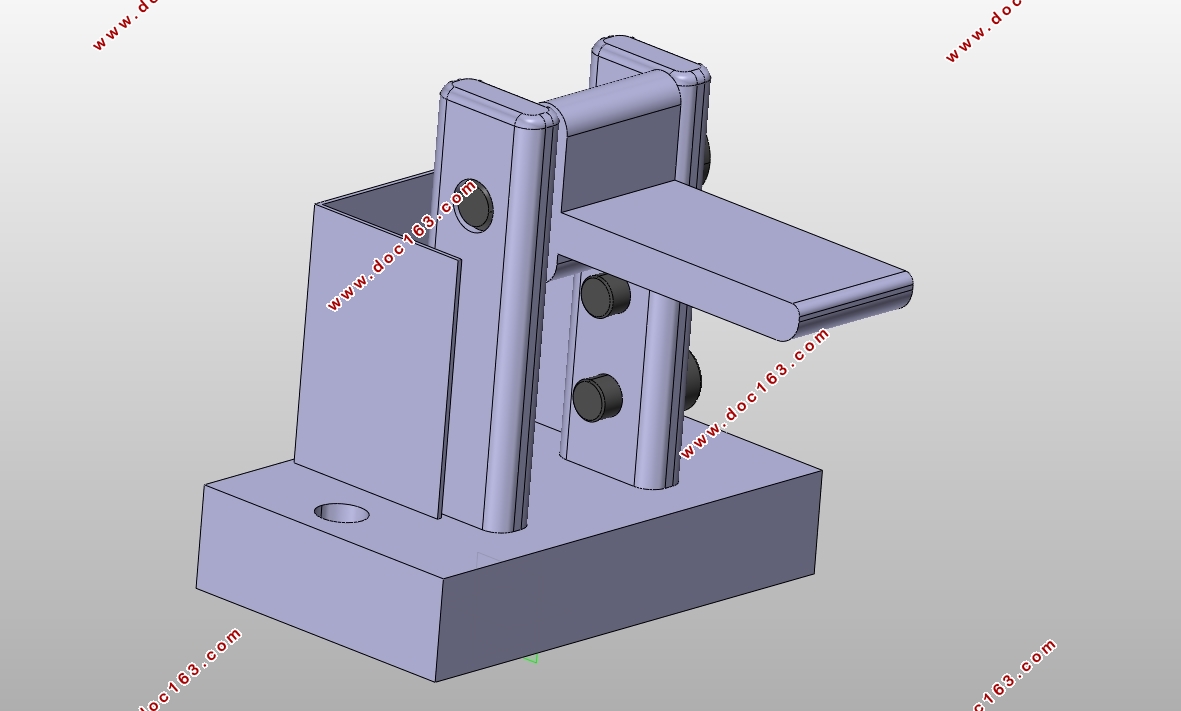
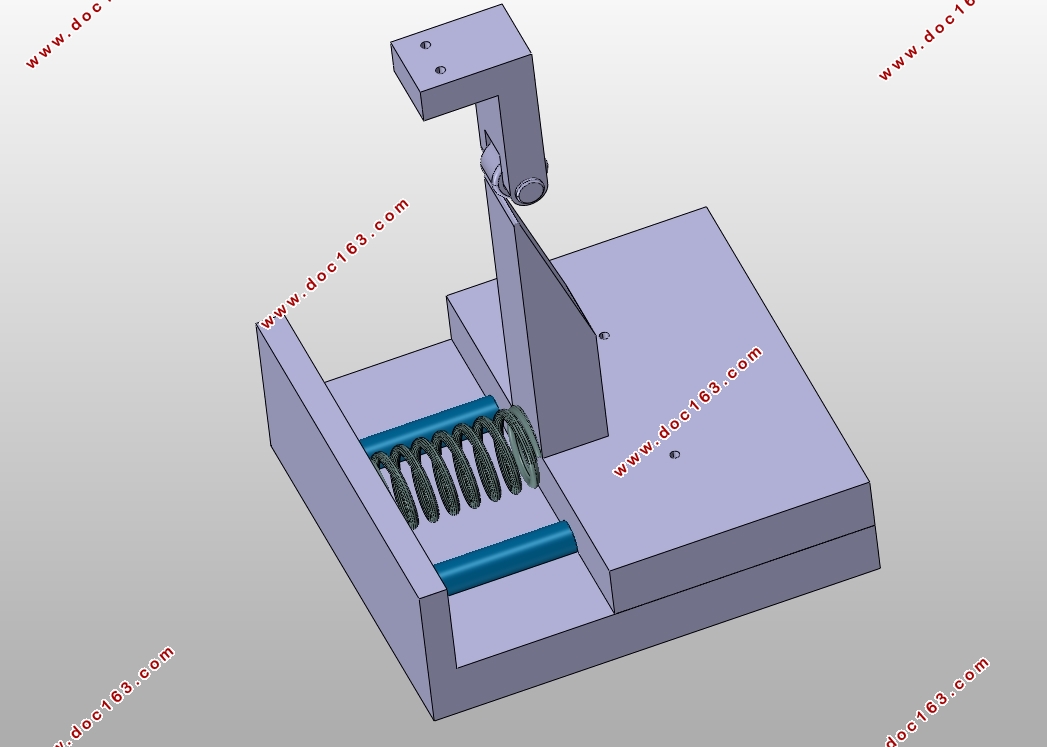
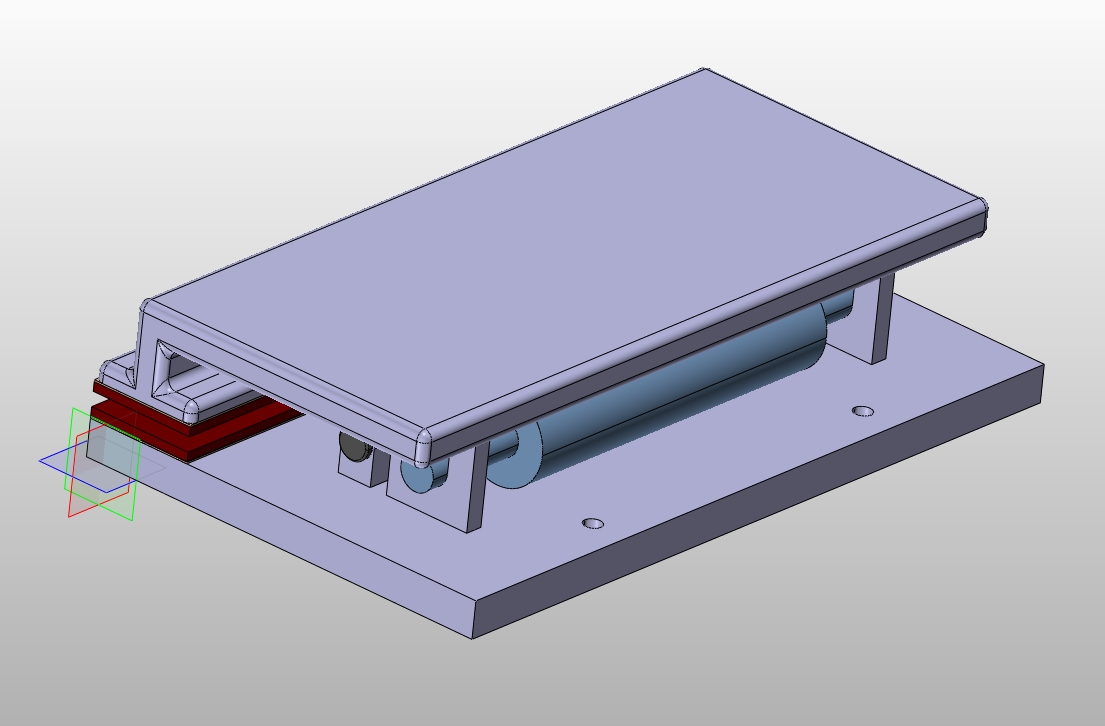
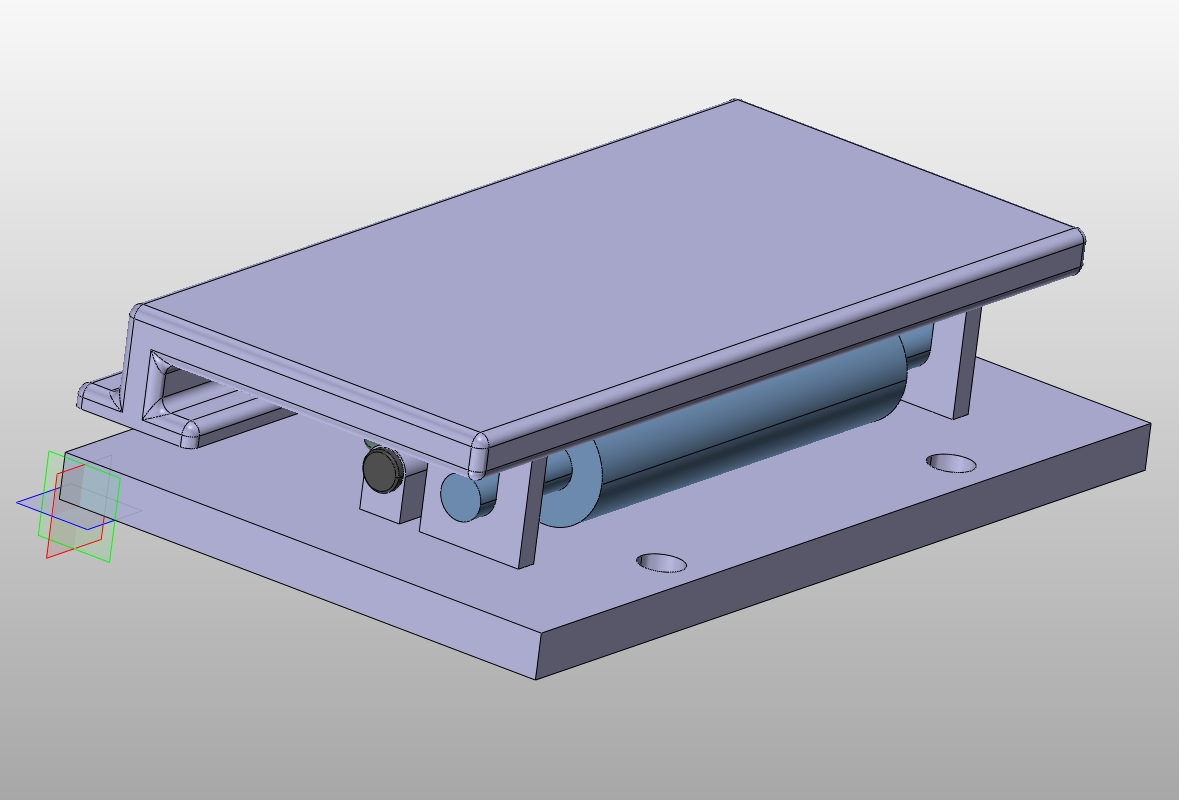
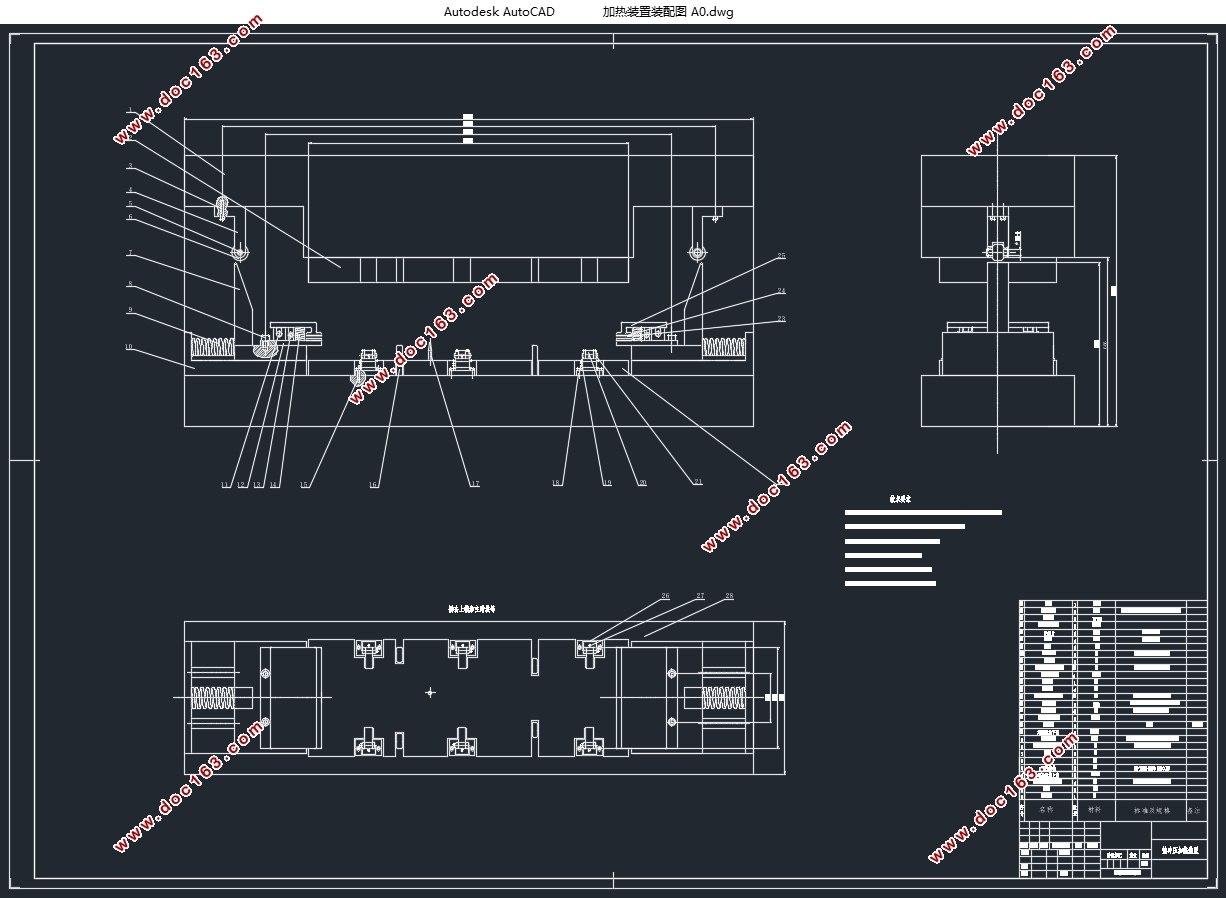
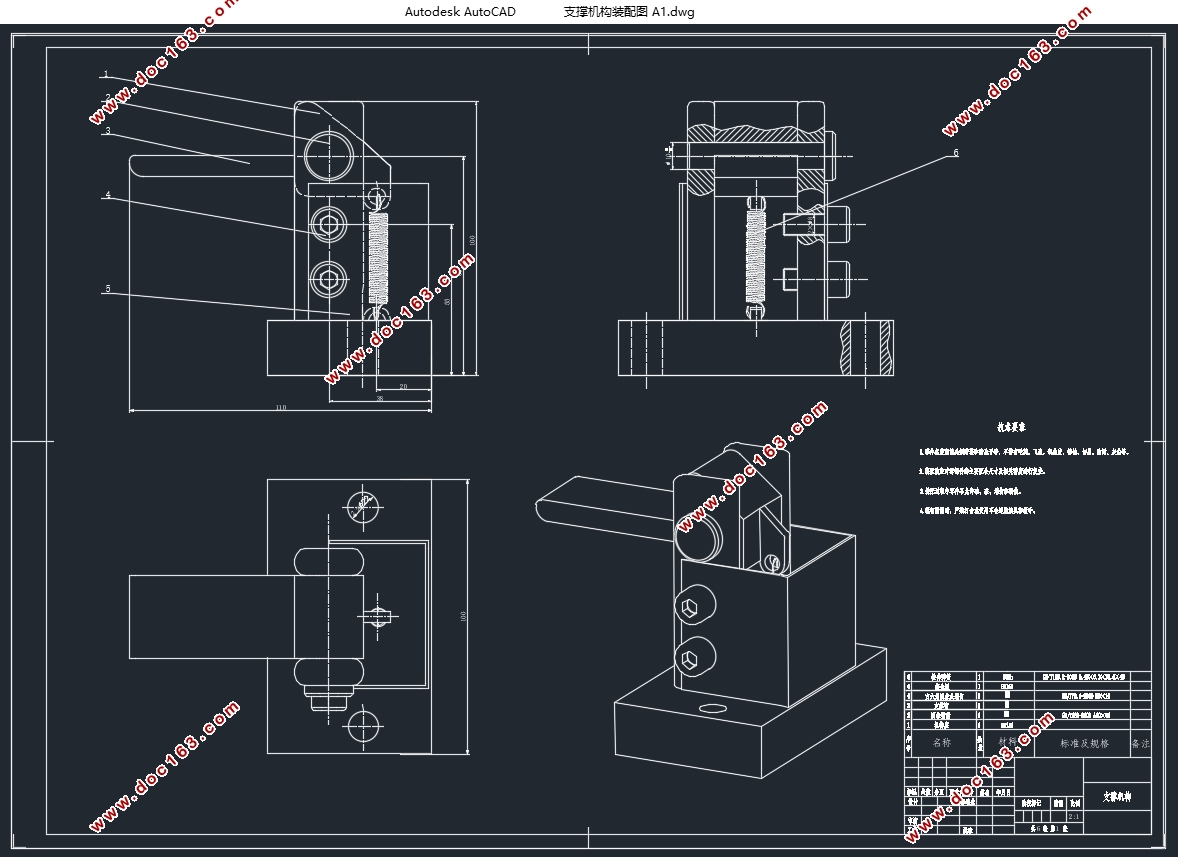
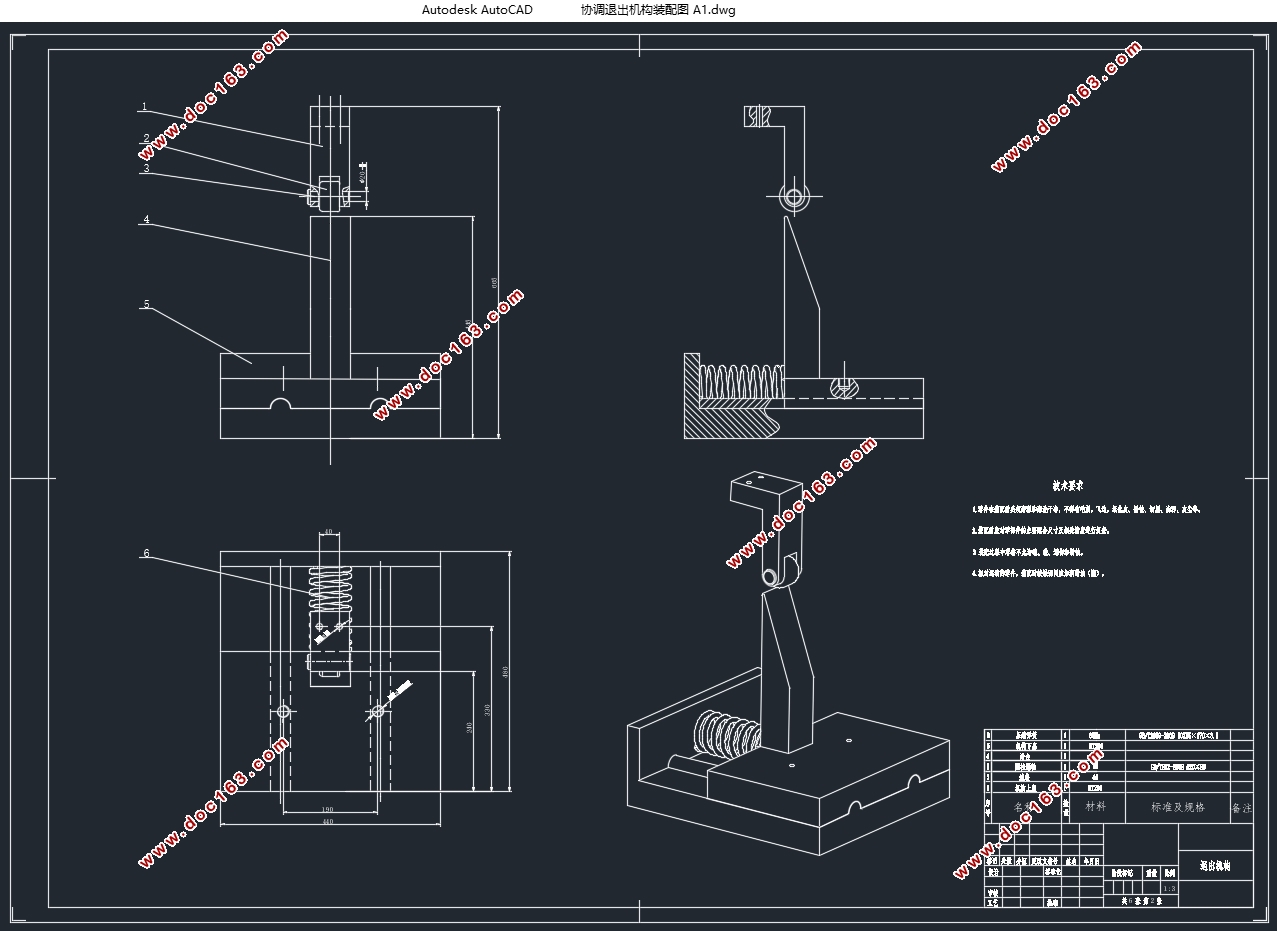
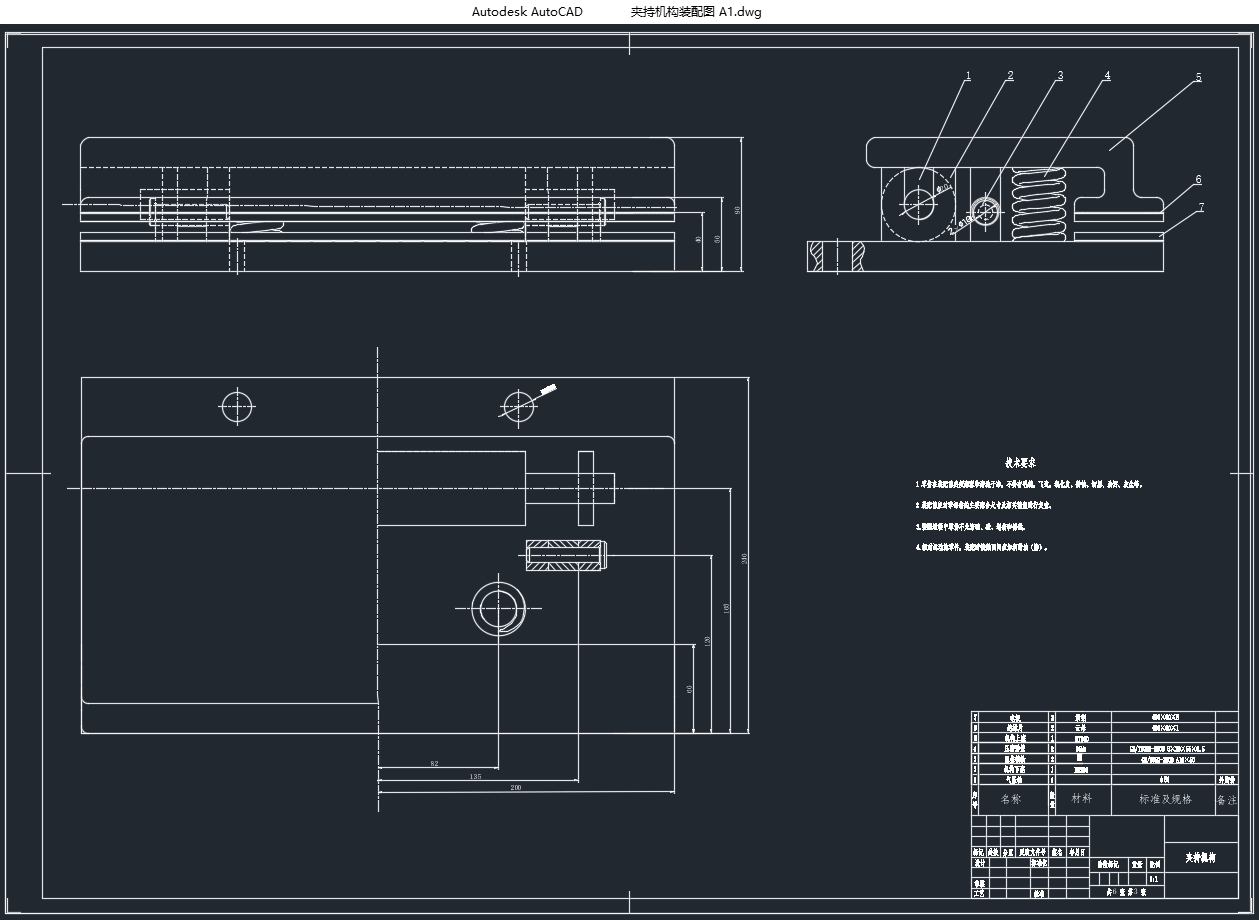
(3)利用CATIA完成导电加热装置的总体建模包括加热装置、夹持机构、支撑机构以及协调退出机构等;
(4)利用ANSYS对板坯加热过程进行有限元分析,根据板坯表面的温度场分布结果,得到以点-面接触电极方案为主的加热装置电极布置优化方案;
(5)利用AutoForm对B柱加强板进行冲压仿真,结果显示本导电加热系统设计方案能在一定程度上提高成形精度以及生产效率。
该热冲压快速加热系统能够有效地缩短板坯加热时间、减少坯料表面氧化,提高生产效率,降低生产成本,总体设计思想对未来热冲压快速加热系统的发展具有一定的促进意义。
关键词:热冲压 导电加热 7075-T6 B柱加强板 温度场
Abstract
With the rapid development of the automobile industry, the contradiction between the exploitation and use of energy and the sustainable development of the world has become increasingly prominent, and the light weighting of automobiles is one of the major solutions to this contradiction. At present, the manufacture of high-strength body components from light-weight materials such as high-strength steels and aluminum alloys through hot stamping is an effective way to achieve lighter weight. However, the traditional hot stamping heating technology requires long heating time, poor quality of the formed parts, and low production efficiency, making it an important direction for the development of the hot forming technology to seek an energy-saving and environmentally-friendly and more efficient heating equipment. Conductive heating is an energy-saving and more efficient heating method. It can effectively reduce the heating time, improve the heating efficiency, reduce the surface oxidation of the billet and other advantages, so the development of conductive heating device system has important research significance and application value.In this paper, the stamping forming of B-pillar reinforcing plate is taken as an example, and the overall design and optimization of hot stamping rapid heating system are carried out.The research results have certain guiding significance for the development of hot stamping rapid heating system. The main tasks are as follows:
[资料来源:http://www.doc163.com]
(1) To study the development status of related thermoforming processes. A preliminary concept is proposed for the design of thermoforming heating system. The aluminum alloy 7075-T6 is selected as the forming material, and the main heating method is conductive heating.
(2) Complete the overall design of the conductive heating system, and perform the theoretical calculation of the relevant heating device parameters;
(3) Use CATIA to complete the overall modeling of the conductive heating device including heating device, clamping device, support mechanism, and coordination exit mechanism;
(4) Using finite element analysis of slab heating process using ANSYS, according to the distribution of the temperature field of the slab surface, an electrode arrangement optimization scheme for the heating device based on the point-surface contact electrode scheme was obtained;
(5) Using AutoForm to simulate the stamping of the B-pillar reinforcement board, the results show that the design scheme of the conductive heating system can improve the forming accuracy and production efficiency to some extent [资料来源:http://Doc163.com]
The hot stamping rapid heating system can effectively shorten the slab heating time, reduce the surface oxidation of the billet, increase the production efficiency and reduce the production cost. The overall design idea has certain significance for the development of the future hot stamping rapid heating system.
Keywords: hot stamping; conductive heating; 7075-T6; B-pillar reinforcement; temperature field
[资料来源:http://www.doc163.com]
[资料来源:www.doc163.com]
[资料来源:www.doc163.com]

[来源:http://www.doc163.com]
目录
第1章 绪论 1
1.1 前言 1
1.2国内外的研究现状分析 1
1.3 研究目的及意义 2
1.4 主要研究内容 3
1.5 研究目标 3
第2章 车身构件热成形材料及加热方式的选择 4
2.1 成形材料的选择 4
2.2 板材加热方式的选择 4
2.2.1辐射加热 4
2.2.2感应加热 4
2.2.3导电加热 5
2.2.4激光加热 5
2.3本章小结 5
第3章 车身构件热冲压导电加热系统总体设计 6
3.1导电加热的原理 6
3.2导电加热系统温度控制原理 6
3.3导电加热系统的相关计算 7
3.3.1加热电源功率的估算 7
3.3.2坯料加热速率的估算 8
3.3.3接触电阻的估算 8
3.4本章小结 9 [资料来源:Doc163.com]
第4章 车身构件热冲压导电加热装置的设计 10
4.1导电加热系统装置原理 10
4.2导电加热装置的组成 10
4.3导电加热装置 13
4.4本章小结 14
第5章 加热工艺对典型汽车构件热冲压成形的影响 15
5.1 7075铝合金热成形性能分析 15
5.2 B柱加强板仿真结果分析 15
5.2.1温度场分析 15
5.2.2成形性分析 17
5.2.3加热工艺参数对热成形的影响规律 19
5.3 本章小结 19
第6章 结论与展望 20
6.1 论文总结 20
6.2 工作展望 20
参考文献 21
致谢 23
[资料来源:http://doc163.com]