

秸秆木质素的绿色提取工艺研究
秸秆木质素的绿色提取工艺研究(任务书,开题报告,外文翻译,论文9500字)
摘 要
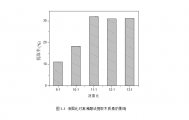
本课题以秸秆为原料,对木质素提取方法进行研究,包括:酸析法、甲酸乙酸水体系抽提法、高沸醇法、环氧乙烷法等,得到高沸醇法为最佳的木质素提取工艺。并通过单因素实验对高沸醇法提取木质素的各个工艺条件:温度、液固比、蒸煮时间等进行研究,结果表明木质素提取的最优条件为:温度215 ℃,液固比11:1,蒸煮时间4.2 h,在此条件下木质素的提取率为32.06%。高沸醇法提取木质素与传统方法相比具有无污染、试剂循环使用、资源回收利用等优点。使用高沸醇法提取木质素可以克服传统方法的溶剂耗费成本高、资源浪费、污染环境等缺点,从而解决秸秆堆积问题并实现资源循环利用、增加经济效益。
关键词:木质素 高沸醇法 提取
Green Technology of Straw Lignin Extraction
ABSTRACT
In this paper, straw was used as raw material; lignin extraction methods such as acid precipitation method, formic acid water system extraction method, HBS law, ethylene oxide method, was studied; we found that HBS law was the best method of lignin. In addition, by univariate analysis of experimental methods, we researched variables like temperature, solid to liquid ratio, time on lignin extraction rate; The result showed that the optimal conditions for the extraction of lignin was temperature 215 ℃, liquid to solid ratio of 11: 1, cooking time 4.2 h; Under these conditions, the lignin extraction rate was 32.06 %. Compared with traditional methods, this method had qualities like no pollution, reagent for recycling, full use of resources and so on.igh lignin extraction method. HBS law can overcome the traditional methods of costly solvents, waste of resources, environmental pollution and other shortcomings, so as to solve the problem of straw stacked and recycling of resources, increase economic efficiency.
Key Words: lignin; HBS law; extraction


目 录
摘 要 Ⅰ
ABSTRACT Ⅱ
第一章 文献综述 1
1.1 前言 1
1.2 木质素的提取方法 2
1.2.1 酸析法 2
1.2.2 离子液体法 2
1.2.3 生物法 3
1.2.4 高沸醇溶剂法 3
1.2.5 甲酸、乙酸、水体系抽提法 4
1.2.6 环氧乙烷法 4
1.3 本课题的研究目的及意义 5
第二章 实验材料与方法 6
2.1 材料与仪器 6
2.1.1 实验材料 6
2.1.2 实验试剂 6
2.1.3 实验仪器 6
2.2 主要研究内容 7
2.3 实验方法 7
2.3.1 样品的预处理 7
2.3.2 酸析法提取木质素 7
2.3.3 甲酸、乙酸、水体系抽提法提取木质素 8
2.3.4 高沸醇法提取木质素 8
2.3.5 环氧乙烷法提取木质素 8
2.4 定量分析方法 8
2.4.1 木质素含量测定 8
2.4.2 木质素提取率的计算 9
第三章 实验结果与讨论 10
3.1 提取木质素方法的选择 10
3.2 高沸醇法提取木质素条件优化 11
3.2.1 反应温度对高沸醇法提取木质素的影响 11
[资料来源:http://Doc163.com]
3.2.2 反应液固比对高沸醇法提取木质素的影响 12
3.2.3 蒸煮时间对高沸醇法提取木质素的影响 13
第四章 结论与展望 15
4.1 结论 15
4.2 展望 15
参考文献 17
致 谢 20
上一篇:ω-转氨酶底物谱研究